Introduction
Imagine walking into a room and feeling instantly calm — not because of expensive furniture or bold artwork, but because of a single tall branch resting in a ceramic vase by the window. That quiet, unhurried beauty has a name: pyntekvister.
This Scandinavian decorating concept has quietly captured the attention of interior designers, home decor enthusiasts, and sustainability-conscious homeowners worldwide. Whether you live in a compact apartment or a spacious house, pyntekvister offers something rare in modern decor — elegance without excess.
What Are Pyntekvister?
Pyntekvister is a Norwegian compound word. “Pynte” means to decorate or to adorn, and “kvister” means twigs or branches. Together, the term describes decorative branches or ornamental twigs used in interior styling to bring a natural, minimalist touch into living spaces.
In plain terms: pyntekvister are carefully chosen branches — real, dried, or sometimes artificial — placed in vases, mounted on walls, or used as standalone sculptural elements inside a home.
Unlike a bouquet of fresh flowers, pyntekvister prioritize structure over bloom. The appeal is in organic shapes, natural textures, and imperfect lines. A birch branch leaning in a glass vase, a cluster of willow twigs beside a stack of books, dried eucalyptus stems on a kitchen shelf — all of these are pyntekvister in practice.
The Origins and History of Pyntekvister
Scandinavian communities have always lived in close relationship with nature. Vast forests, long winters, and short daylight hours shaped how people decorated their homes. When fresh flowers were unavailable during cold months, families collected branches from nearby woods and brought them indoors — both for practical visual warmth and as a symbolic connection to the living landscape outside.
During winter celebrations, bare twigs were traditionally painted white and decorated with candles. At Easter, branches were adorned with small ornaments, painted eggs, and feathers in a tradition still common across Norway, Sweden, and Denmark today. During spring festivals, flowering branches symbolized renewal after the long dark season.
Over time, this seasonal ritual evolved from cultural necessity into an intentional design philosophy. As Scandinavian interior design gained global recognition in the mid-20th century — celebrated for its minimalism, functionality, and respect for natural materials — pyntekvister traveled with it.
Today, the tradition is no longer confined to Nordic homes. It is a recognized element of contemporary interior design practiced across Europe, North America, and beyond.
Types of Pyntekvister Branches
Choosing the right branch type shapes the entire mood of an arrangement. Here are the most popular options:
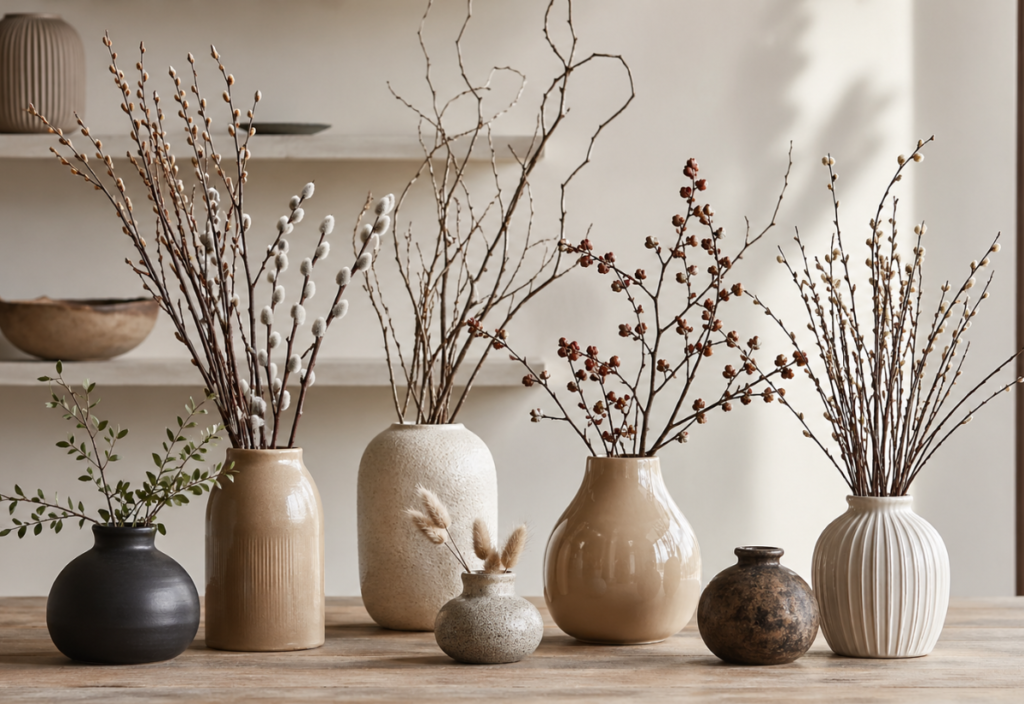
Birch branches are the most iconic pyntekvister choice. Their pale, papery white bark creates a clean, airy look that pairs beautifully with light wood furniture and neutral walls. Ideal for minimalist and Scandinavian-inspired interiors.
Willow branches bring soft, curved movement to any arrangement. Their flowing, flexible form adds a sense of organic flow rather than stiff structure. Well suited to bohemian or artistic spaces.
Hazel branches have a naturally gnarled, twisted shape that makes each piece unique. They work especially well in winter arrangements and rustic or farmhouse-style interiors.
Cherry and apple blossom branches are the seasonal star of spring pyntekvister. Their delicate flowers bring color and life without requiring the daily care of a cut floral arrangement.
Pine and fir branches provide the deep green warmth associated with winter holiday decoration. They carry a scent as well as a visual, making them multi-sensory decor elements.
Eucalyptus stems have surged in popularity globally. Their silver-green foliage works year-round, dries beautifully, and releases a mild calming fragrance — making them a modern favorite for pyntekvister arrangements.
Dried grasses and cotton stems are lighter alternatives that add texture without visual weight, perfect for minimalist compositions or bedroom spaces.
Natural branches can be collected responsibly from a garden or local park, or purchased from florists, garden centers, and online home decor shops. Artificial versions are also available for those wanting a permanent, zero-maintenance solution.
Why Pyntekvister Is Trending Globally in 2026
Several converging forces explain why pyntekvister has moved from a Scandinavian tradition into a mainstream global trend.
Minimalism and the rejection of clutter have reshaped interior design preferences over the past decade. Homeowners want fewer objects that make more impact — and a single thoughtfully placed branch achieves exactly that.
Biophilic design — the practice of integrating natural elements into built environments — has shifted from a niche architectural concept into a mainstream interior trend. The global biophilic design market was valued at $3.8 billion in 2025 and is projected to grow at 11.4% annually through 2030. Pyntekvister is biophilic design at its most accessible.
Sustainability plays a significant role too. Many people are actively replacing plastic and mass-manufactured decorations with natural, renewable materials. A branch costs nothing to collect from a garden and leaves no environmental footprint.
Social media and visual platforms have accelerated awareness. Images of Nordic interiors featuring pale branches in ceramic vases are among the most shared home decor aesthetics online. When people search for what they see, they find pyntekvister.
Affordability is the final driver. Unlike most interior trends that require purchasing furniture or art, pyntekvister can be practiced with materials that cost almost nothing. That accessibility removes the barrier between inspiration and action.
How to Style Pyntekvister in Every Room
Knowing which branches to choose is half the challenge. Placement and proportion are the other half. Here is a room-by-room guide.
Living Room
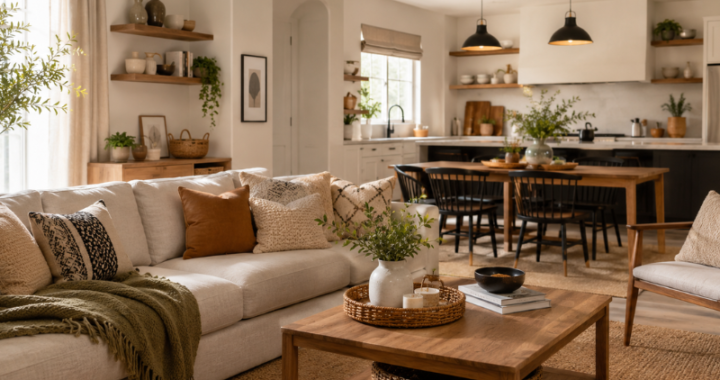
The living room offers the most space for statement pyntekvister. Place tall branches — birch, willow, or hazel — in a large floor vase in an empty corner or near a sofa. This creates height and draws the eye upward without cluttering the room. For coffee tables and shelves, shorter arrangements in low ceramic vases work better. Keep the vase simple; the branch should be the focal point, not the container.
Pair branches with candles or soft textiles — linen cushions, wool throws — to enhance the organic warmth of the arrangement. The contrast between hard organic structure and soft fabric textures is a core Scandinavian styling principle.
Dining Room and Kitchen
A few branches in a simple vase make a natural dining table centerpiece. Choose a low vase so guests can see across the table. For kitchens, eucalyptus or dried herb stems in small ceramic pots on open shelves bring both fragrance and visual texture to a functional space.
Bedroom
Pyntekvister in the bedroom should be subtle rather than dramatic. A small arrangement of delicate twigs or dried eucalyptus on a bedside table adds natural calm to the sleeping environment. Soft lighting nearby enhances the mood.
Hallway and Entryway
First impressions matter. A branch arrangement near the entrance sets the tone for the entire home. A tall, simple arrangement in a statement vase welcomes guests with natural elegance before they enter any other room.
Home Office
Natural elements in workspaces are known to support concentration and reduce mental fatigue. A small pyntekvister arrangement on a desk or windowsill brings calm to a working environment without distracting from focus.
Bathroom
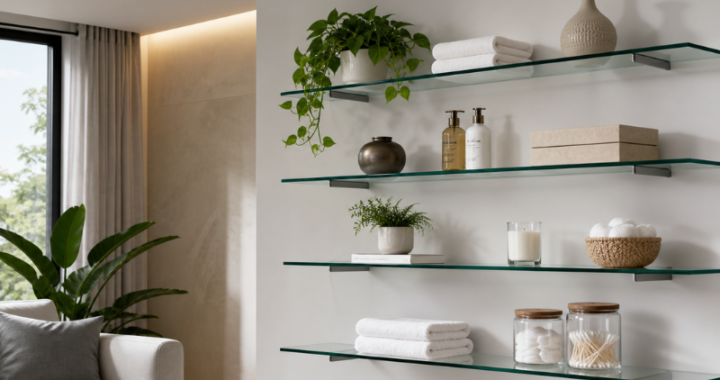
A few branches or eucalyptus stems in a narrow vase transform a bathroom into a spa-like retreat. Steam activates the natural scent of eucalyptus, making this one of the most sensory pyntekvister applications.
Seasonal Pyntekvister Ideas
One of the greatest strengths of pyntekvister is how easily it changes with the seasons, keeping your home decor feeling fresh without major effort or expense.
Spring is the classic pyntekvister season. Cherry blossom or apple blossom branches bring bursts of pale pink into the home. Willow branches in a tall vase surrounded by small paper birds, painted eggs, or fresh moss create the Easter branch arrangements traditional in Scandinavian homes.
Summer calls for lighter arrangements. Dried wildflowers, grasses, and leafy branches bring the abundance of the season indoors. White or natural-toned twigs paired with green stems keep the space feeling cool and airy.
Autumn is the season for warm textures. Branches with dried seed pods, oak twigs, or copper-painted stems complement the red and gold of the season. Adding dried orange slices or small pine cones to a vase arrangement bridges the visual gap between summer and winter.
Winter is where pyntekvister has its deepest roots. Bare birch or hazel branches in a large vase decorated with fairy lights, white ribbon, or small glass ornaments recreate the tradition that Scandinavian families have practiced for generations. Pine and fir branches bring deep green warmth to the coldest months.
DIY Pyntekvister: Step-by-Step Guide
Creating your own pyntekvister arrangement is genuinely simple. Here is how to do it well.
Step 1 — Choose your branch. Collect from your garden, a local park (responsibly and only what is already fallen), or purchase from a florist. Birch is the safest starting point for beginners because its light color works with almost any interior.
Step 2 — Prepare the branch. Remove any unnecessary smaller twigs from the lower portion of the branch. This makes placement in a vase easier and keeps the arrangement clean. If you want dried branches, allow them to air-dry for one to two weeks in a warm, ventilated space.
Step 3 — Choose your vessel. The vase or container is as important as the branch. Tall ceramic vases work for statement floor arrangements. Low, wide ceramic bowls work for table centerpieces. Transparent glass vases allow the branch base to become part of the composition. Keep the vessel neutral in color.
Step 4 — Arrange thoughtfully. Odd numbers work better than even numbers — three branches have more visual interest than two or four. Vary heights slightly. Lean branches at a natural angle rather than forcing perfect verticality.
Step 5 — Add optional accents. Fairy lights, small ornaments, dried flowers, or ribbon can be added depending on the season or occasion. Keep accents minimal — the branch itself should remain the dominant element.
Step 6 — Place with intention. Position your arrangement where it will have visual impact without blocking movement or light. A corner, a windowsill, or a console table are ideal starting points.
Common Mistakes to Avoid
Even a simple decorating concept has pitfalls. These are the most common errors people make with pyntekvister — and how to avoid them.
Overcrowding the vase. More branches do not mean more beauty. A pyntekvister arrangement should breathe. Three to five branches in most vases is enough. Crowding creates visual noise and loses the clean, natural effect.
Choosing the wrong scale. A small twig in a large room disappears. A massive branch in a tiny space overwhelms. Match the scale of your arrangement to the scale of the room and the furniture around it.
Ignoring the vase. A beautifully shaped branch in a cheap plastic container loses its impact. The vessel is part of the composition. Invest in one or two good quality ceramic or glass vases.
Changing nothing seasonally. Pyntekvister is most effective when it responds to the seasons. Leaving the same arrangement in place for twelve months misses the core dynamic that makes this decor style engaging.
Over-decorating. The temptation to add too many ornaments, too many lights, or too many accents defeats the minimalist purpose of pyntekvister. When in doubt, remove one element rather than adding another.
Pyntekvister and Biophilic Design
Research in environmental psychology has found that exposure to natural organic textures in indoor environments reduces self-reported stress and improves focus in people who spend significant time indoors. Natural materials trigger a calming neurological response that artificial decorations do not replicate.
This is the principle behind biophilic design — integrating natural materials, forms, and textures into human-made environments to support mental well-being. Pyntekvister is one of the most accessible entry points into biophilic design available to any homeowner, regardless of budget.
The connection between natural interiors and improved mood is one reason pyntekvister has moved beyond its origins as a seasonal Scandinavian tradition into a year-round global decorating philosophy. It is not just beautiful — it is genuinely good for the people living among it.
Conclusion
Pyntekvister is proof that the most enduring design ideas are often the simplest. A branch, a vase, and a well-chosen spot in your home — that is all it takes to bring Scandinavian warmth, natural beauty, and genuine calm into any living space.
Whether you are drawn to the minimalism, the sustainability, the affordability, or simply the way a few birch branches catch the winter light, pyntekvister is a decorating concept worth exploring. It asks very little and gives a great deal back.
FAQs
1. What does pyntekvister mean in English?
Pyntekvister is a Norwegian compound word that translates literally as “decorative branches” or “ornamental twigs.” It describes the Scandinavian practice of using natural branches as intentional interior decor elements, typically arranged in vases or displayed as standalone sculptural pieces inside a home.
2. What is the best wood for pyntekvister arrangements?
Birch is the most popular choice because its pale white bark pairs beautifully with neutral interiors. Willow, hazel, and cherry blossom are also widely used. For year-round arrangements, eucalyptus and dried grasses are durable, low-maintenance options that work across all seasons.
3. How long do pyntekvister arrangements last?
Dried branches typically last three to six months indoors with minimal care. Fresh-cut branches last four to eight weeks. Painted or metallic branches are essentially permanent decorations. Artificial versions last indefinitely and require only occasional dusting.
4. Can I collect branches for pyntekvister from a park or forest?
You can responsibly collect fallen branches or pruned trimmings from public spaces in most areas, but avoid cutting living branches from trees without permission. Many florists, garden centers, and home decor retailers also sell branches specifically for decorative use.
5. Is pyntekvister only for Scandinavian-style interiors?
No. While pyntekvister originates from Nordic design traditions, it adapts naturally to almost any interior style — including rustic farmhouse, modern minimalist, bohemian, and even maximalist spaces where organic textures provide contrast to bolder elements.