Introduction
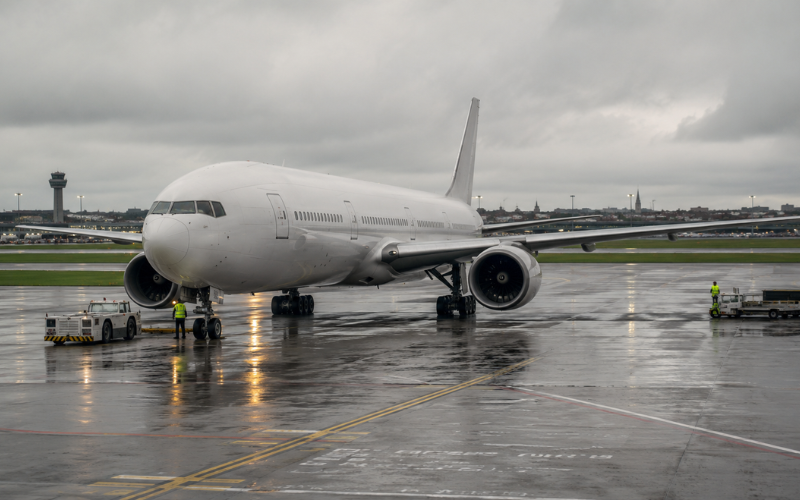
United Flight UA109 diversion became a widely searched aviation topic after the flight turned back over the Atlantic and diverted to Dublin Airport instead of continuing directly to Washington Dulles International Airport. According to available aviation reports, UA109 was a United Airlines flight operating from Munich, Germany, to Washington Dulles, United States, using a Boeing 787-8 Dreamliner. The aircraft diverted to Dublin Airport after a crew-related medical or safety issue was reported during the flight.
Many readers are searching for this incident because a mid-air diversion can sound alarming. When a long-haul flight turns around over the Atlantic, people naturally want to know whether the aircraft was in danger, what happened onboard, and why the crew chose Dublin instead of continuing to the United States.
What Happened During the United Flight UA109 Diversion
The united flight ua109 diversion happened on October 30, 2025, when United Airlines Flight UA109 was flying from Munich to Washington Dulles. Reports say the aircraft had been in the air for around three hours when it turned back over the North Atlantic and headed toward Dublin Airport.
The flight did not continue across the ocean to Washington as planned. Instead, the pilots made a controlled decision to divert to Ireland. This kind of decision is usually made when the crew believes landing sooner is the safest and most practical option.
In this case, available reports described the issue as a medical or crew safety-related situation involving a crew member. One report said the flight was diverted after a crew member experienced a medical emergency, while another described the issue as a painful foot condition that affected the crew member’s ability to perform required safety duties.
United Flight UA109 Route Before the Diversion
United Flight UA109 was scheduled to travel from Munich Airport to Washington Dulles International Airport. This is a long transatlantic route that crosses European airspace before moving out over the Atlantic Ocean toward North America.
Aviation tracking reports said the aircraft departed Munich and later turned around while flying over the Atlantic at cruising altitude. AirLive reported that the flight departed Munich at 12:14 CET and turned around after about three hours while flying at around 40,000 feet.
Because the aircraft was already far into the journey, the flight crew needed to choose the best suitable airport. Dublin was a logical option because it is one of the major diversion airports for transatlantic flights crossing near Ireland.
Why United Flight UA109 Turned Back Over the Atlantic
The main reason for the united flight ua109 diversion was connected to crew safety and onboard operational requirements. On commercial flights, cabin crew members are not only there for passenger service. They are also trained safety professionals responsible for emergency procedures, passenger management, evacuation support, and onboard safety checks.
If a crew member becomes unwell or unable to perform required duties, the flight crew must consider whether the aircraft can safely continue. On a short domestic flight, continuing may sometimes be possible. On a long transatlantic route, the decision is more serious because the aircraft may be several hours away from the next suitable airport.
In UA109’s case, the aircraft turned back toward Dublin rather than continuing across the Atlantic. This suggests the operating crew chose the more cautious option: land at a suitable airport, address the issue, and continue later when it was safe to do so.
The Role of Crew Safety in the UA109 Diversion
Crew safety is a major part of flight safety. Passengers often think a diversion only happens because of engine trouble, severe weather, or a passenger medical emergency. However, a crew-related issue can also lead to a diversion.
Cabin crew must be physically able to carry out their assigned safety duties. These duties may include handling emergency equipment, helping passengers in unusual situations, managing cabin safety, and assisting during landing or evacuation if needed.
If one crew member cannot perform these responsibilities, the airline and pilots may need to reassess whether the flight still meets safety requirements. That is why even a condition that may sound minor on the ground can matter more during a long international flight.
The united flight ua109 diversion shows that airline safety decisions are not always about dramatic emergencies. Sometimes, they are about following rules and reducing risk before a situation becomes more complicated.
Why Dublin Airport Was Chosen for the Diversion
Dublin Airport is a common and practical diversion airport for aircraft crossing the North Atlantic. It has long runways, international airport facilities, emergency services, maintenance support, and airline handling resources. Its location also makes it useful for aircraft that need to return toward Europe after crossing west of Ireland.
For UA109, Dublin was closer than Washington and more suitable than continuing for several more hours across the ocean. Choosing Dublin allowed the aircraft to land safely, let the crew handle the medical or operational issue, and give United Airlines a chance to arrange the next steps for passengers.
In a diversion, pilots do not simply choose the nearest airport on a map. They consider runway length, weather, aircraft type, fuel, medical support, airport capability, and airline operations. Dublin likely met the needs of this situation.
Timeline of the United Flight UA109 Diversion
The incident began when United Flight UA109 departed Munich for Washington Dulles on October 30, 2025. After several hours in the air, the Boeing 787-8 turned back while over the Atlantic and diverted to Dublin Airport. AirLive reported the U-turn occurred after about three hours of flight time.
After the aircraft landed in Dublin, the airline would have needed to manage the affected crew situation, passengers, aircraft checks, and flight continuation planning. Reports later described the stop as an unscheduled diversion connected to a medical issue onboard, with no major injuries reported.
Was United Flight UA109 in Danger?
Based on available reports, there is no clear evidence that United Flight UA109 was in immediate danger. The aircraft was able to turn around, fly to Dublin, and land safely. The issue appears to have been related to a crew member’s medical or duty status rather than a major aircraft failure.
That said, diversions are taken seriously because airlines are designed to avoid unnecessary risk. A flight over the Atlantic has fewer nearby landing options than a flight over land. If there is any concern that could affect safety or legal crew requirements, pilots may choose to divert early.
How the Diversion Affected Passengers Onboard
For passengers, the united flight ua109 diversion likely caused confusion, delay, and inconvenience. A flight from Munich to Washington is already long, and an unexpected stop in Dublin would have changed travel plans, arrival times, and possible connections.
Passengers may have had to remain onboard for part of the process, wait at the airport, or continue later depending on airline arrangements. In most diversions, the airline works to continue the flight, rebook passengers, provide updates, and follow passenger care rules based on the situation and location.
Although delays are frustrating, the main purpose of a diversion is to protect everyone onboard. In this case, reports did not suggest major passenger injuries.
What Happened After UA109 Landed in Dublin
After landing in Dublin, the aircraft and crew would have entered a standard diversion process. This usually includes checking the condition of the affected person, coordinating with ground teams, reviewing crew availability, and deciding whether the same aircraft can continue.
United Airlines would also need to consider duty-time rules, replacement crew options, aircraft readiness, passenger handling, and onward travel. These steps can take time, especially on an international route.
The stop in Dublin was not the planned destination, but it gave the airline a safe place to manage the issue before continuing toward Washington.
When United Flight UA109 Continued to Washington
Public reports confirm that UA109 diverted to Dublin while traveling to Washington, but exact continuation details may vary by tracking source and airline operations records. Some aviation reports noted that the delay was limited and that passengers were later able to continue their journey.
For readers checking this incident for personal travel reasons, the most reliable source for exact departure and arrival times would be United Airlines or flight tracking services such as FlightAware, which tracks UA109 flight history and status.
Why Transatlantic Flights Sometimes Divert to Dublin
Dublin is often used for transatlantic diversions because of its location between North America and continental Europe. Flights crossing the Atlantic may divert there for medical issues, technical checks, passenger problems, weather, or operational concerns.
For an aircraft already over the ocean, returning to a well-equipped airport in Ireland can be safer and faster than continuing across the Atlantic. Dublin also handles many international flights, so it has the systems needed to support wide-body aircraft like the Boeing 787.
The united flight ua109 diversion fits this broader pattern. It was a long-haul flight over the Atlantic, and Dublin offered a safe and practical landing option.
What This Incident Shows About Airline Safety Rules
The UA109 diversion shows how strict airline safety rules can be. A flight does not need to be in visible danger for pilots to make a safety-based decision. If crew capability, onboard safety, or medical concerns create uncertainty, diverting can be the responsible choice.
Modern airlines follow detailed procedures. Pilots, cabin crew, dispatchers, medical advisers, and air traffic control may all play a role in deciding what happens next. The goal is simple: keep passengers and crew safe, even if it causes a delay.
Common Misunderstandings About the United Flight UA109 Diversion
One common misunderstanding is that a diverted flight must have suffered a major mechanical failure. In this case, available reports point more toward a crew medical or safety-duty issue than a serious aircraft problem.
Another misunderstanding is that a U-turn over the Atlantic means the flight was in immediate danger. In reality, aircraft often turn back because it is safer to land sooner rather than continue for many more hours.
Some readers may also assume the flight diverted because of bad weather or a passenger emergency. While reports described the situation as medical or crew-related, the most important confirmed point is that the aircraft diverted safely to Dublin and the incident was handled in a controlled way.
Key Takeaways from the United Flight UA109 Diversion
The united flight ua109 diversion involved a United Airlines Boeing 787-8 flying from Munich to Washington Dulles. The aircraft turned back over the Atlantic and diverted to Dublin Airport on October 30, 2025. Reports linked the diversion to a crew member medical or safety-duty issue, not a major aircraft accident.
The event caused a delay, but it also showed how carefully airlines handle long-haul safety decisions. Dublin was a practical diversion airport because of its location, facilities, and ability to support transatlantic aircraft.
Conclusion
The united flight ua109 diversion was a mid-Atlantic turnaround that drew attention because the aircraft changed course during a long international flight. While diversions can sound serious, the available information suggests this was a controlled safety decision linked to a crew-related medical or operational concern.
United Flight UA109 was traveling from Munich to Washington Dulles when it diverted to Dublin Airport. The decision likely helped the crew manage the issue safely before the journey continued. For passengers, it meant delay and inconvenience, but from a safety point of view, it reflected the careful procedures airlines follow when something unexpected happens in the air.
FAQs
1. What was the United Flight UA109 diversion?
The united flight ua109 diversion refers to United Airlines Flight UA109 turning back over the Atlantic and diverting to Dublin Airport while flying from Munich to Washington Dulles.
2. Why did United Flight UA109 divert to Dublin?
Available reports say the diversion was linked to a crew-related medical or safety issue. The aircraft landed in Dublin so the situation could be handled safely.
3. Was United Flight UA109 in danger?
Reports do not suggest the aircraft was in immediate danger. The diversion appears to have been a precautionary safety decision.
4. Why do flights over the Atlantic often divert to Dublin?
Dublin Airport is well located for transatlantic flights and has the facilities needed to handle large international aircraft, medical situations, and operational diversions.