Introduction
A grow tent is a small indoor growing space that helps you control light, airflow, temperature, and humidity for plants. In simple words, it works like a mini indoor garden room. Instead of growing plants in an open corner of your home, a grow tent gives them a cleaner, more organized, and more controlled place to grow.
Many people use a grow tent because indoor plants need the right conditions to stay healthy. Light, air, water, and temperature all matter. When these things are not balanced, plants may grow slowly, become weak, or attract pests. A grow tent helps reduce these problems by keeping the growing area separate from the rest of the home.
What a Grow Tent Is and Why People Use One
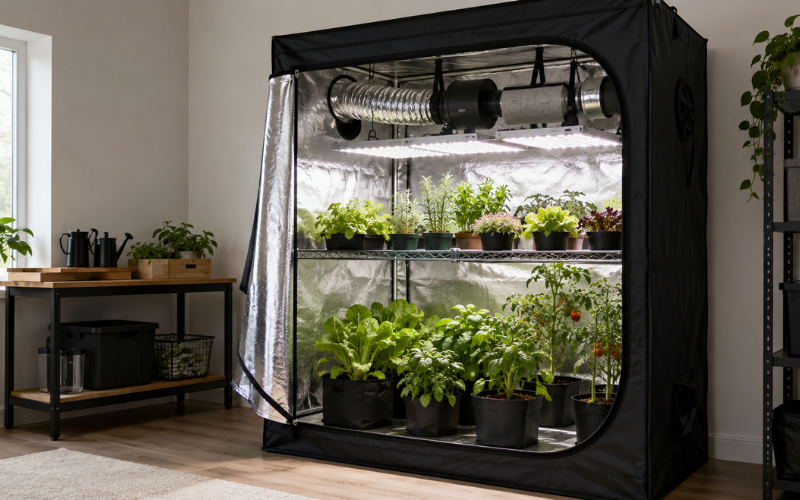
A grow tent is usually made with a strong outer fabric, a reflective inside lining, a metal frame, and openings for lights, fans, and air filters. It can be placed inside a room, garage, basement, or other indoor space. The main goal is to create a better growing environment for plants.
People use grow tents for many reasons. Some want to grow fresh herbs in the kitchen area. Some want to start vegetable seedlings before moving them outdoors. Others want a year-round indoor garden that is not affected by outdoor weather.
A grow tent also keeps the growing area neat. Soil, water, lights, wires, and plant tools stay in one place. This makes indoor gardening cleaner and easier to manage. It can also help protect plants from pets, dust, and sudden changes in room conditions.
How a Grow Tent Creates a Controlled Indoor Growing Space
The biggest benefit of a grow tent is control. Plants need stable conditions, and a grow tent helps create them. The reflective interior keeps light focused on the plants instead of spreading across the room. This helps plants receive more useful light.
A grow tent also makes it easier to manage airflow. With the right fan or vent setup, fresh air can enter while warm, stale air leaves. This helps plants breathe better and reduces the chance of mold or weak growth.
Temperature and humidity are also easier to manage inside a tent. Because the space is enclosed, small changes are easier to notice and adjust. This controlled setup can help plants grow stronger, greener, and healthier.
Main Parts of a Grow Tent
A grow tent may look simple from the outside, but it has several important parts. The outer cover is usually thick and durable, helping block outside light and protect the growing area. Inside, the reflective lining helps spread light evenly around the plants.
The frame supports the tent and holds equipment such as grow lights, fans, and filters. Strong poles are important because lights and ventilation tools can add weight. Most grow tents also have zipper doors for easy access.
Many tents include vent ports, cable openings, and mesh windows. These small details make setup easier because they allow air, wires, and equipment to be placed properly without leaving the tent open.
Common Grow Tent Sizes and What They Are Best For
Grow tents come in many sizes, from small tabletop-style tents to large walk-in tents. A small grow tent is good for herbs, seedlings, or a few compact plants. It is also a smart choice for beginners who want to learn indoor growing without using too much space.
Medium grow tents are popular for people who want to grow several plants at once. They provide more room for lights, airflow, and plant growth. Large grow tents are better for serious indoor gardeners who need space for many plants or taller plants.
Choosing the right size depends on your room, plant type, and growing goals. A tent that is too small may feel crowded. A tent that is too large may cost more to light, ventilate, and manage.
Choosing the Right Grow Tent for Your Space
Before buying a grow tent, it is important to measure your available space. Think about height, width, and depth. Also leave extra room around the tent so you can open doors, adjust equipment, and move comfortably.
You should also consider the plants you want to grow. Small herbs need less room than tall vegetables or flowering plants. If plants need room to stretch, choose a tent with enough height.
Another important point is noise and heat. Fans and lights can create sound and warmth. A spare room, basement, laundry area, or garage may work better than a busy living space. The best grow tent is not always the biggest one; it is the one that fits your home and your routine.
Grow Tent Materials, Frame Strength, and Light Protection
A good grow tent should feel strong and stable. The fabric should be thick enough to block light and handle regular use. The inside lining should reflect light well, helping plants receive more balanced coverage.
Frame strength matters because the frame holds important equipment. Weak frames may bend or feel unstable when lights and filters are added. Metal poles are usually preferred because they offer better support.
Light protection is also important. A quality grow tent should keep light inside and reduce light leaks. This is helpful because many plants grow better when their light and dark periods stay consistent.
Ventilation and Airflow Inside a Grow Tent
Ventilation is one of the most important parts of using a grow tent. Plants need fresh air, and warm air needs a way to leave. Without airflow, the inside of the tent can become too hot or too humid.
A basic setup may include an intake opening for fresh air and an exhaust fan to remove warm air. Some growers also use small clip fans inside the tent to move air gently around the plants.
Good airflow helps prevent mold, mildew, and weak stems. It also supports healthier plant growth. The air should move gently, not strongly. Too much direct wind can stress plants, while too little air movement can make the space feel damp and stale.
Lighting Setup for a Grow Tent
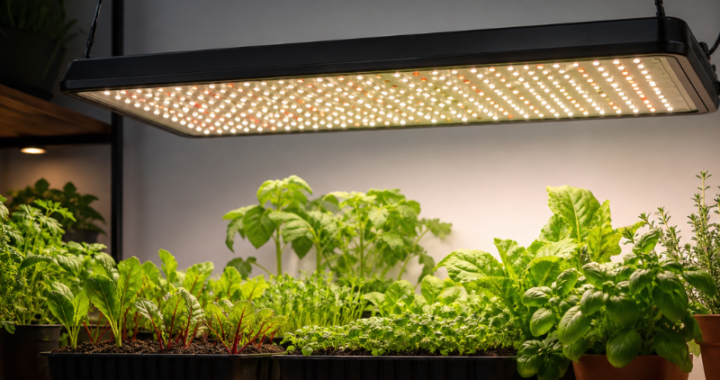
Since a grow tent is used indoors, plants usually need artificial light. Grow lights help replace sunlight and support plant growth. The right light depends on the size of the tent and the type of plants being grown.
The light should be placed at a proper distance from the plants. If it is too close, leaves may burn or dry out. If it is too far away, plants may stretch and become weak. Most growers adjust the light height as plants grow taller.
Temperature and Humidity Control in a Grow Tent
Temperature and humidity can affect plant health. A grow tent that is too hot can dry plants quickly. A tent that is too cold can slow growth. High humidity can lead to mold, while very low humidity can stress young plants.
A simple thermometer and humidity meter can help you track conditions inside the tent. Once you know the numbers, it becomes easier to adjust fans, lights, watering habits, or room temperature.
The goal is not perfection every minute. The goal is a steady environment where plants can grow without sudden stress. Small daily checks can prevent bigger problems later.
Odor Control and Air Filtration
Some plants, soil mixes, and fertilizers may create smells indoors. A grow tent can help contain odors, but proper air filtration makes odor control better. Many indoor gardeners use a carbon filter with an exhaust fan to help clean the air before it leaves the tent.
Odor control is especially useful if the tent is placed in a bedroom, apartment, or shared home. Even when growing simple herbs or flowers, keeping the air fresh makes the setup more comfortable.
Clean airflow also helps the overall growing space feel better. A well-managed grow tent should not make the home feel damp, hot, or unpleasant.
Grow Tent Setup: What Beginners Should Know First
Beginners should start simple. A basic grow tent setup usually needs the tent itself, a grow light, a timer, a fan, a thermometer, and growing containers. More advanced tools can be added later, but it is better to learn the basics first.
Set up the frame carefully and make sure the tent stands evenly. Hang the light securely and check that wires are safe and organized. Place fans so air moves gently around the plants.
Before adding plants, it is helpful to run the setup for a day to check temperature, airflow, and light placement. This simple test can help you fix problems before plants are inside.
Best Places to Put a Grow Tent at Home
The best place for a grow tent is a clean, stable, and easy-to-access area. Spare rooms, basements, garages, utility rooms, and large closets can work well. The space should have access to electricity and enough room for ventilation.
Avoid placing the tent in areas with extreme heat, cold, or moisture. A damp corner may increase mold risk. A very hot room may make temperature control harder.
It is also important to think about daily care. If the tent is hard to reach, you may forget to check plants, water them, or adjust equipment. A convenient location makes indoor gardening easier to maintain.
Plants Commonly Grown in a Grow Tent
Many types of plants can grow well in a grow tent. Herbs such as basil, mint, parsley, and cilantro are common choices. Leafy greens like lettuce, spinach, and kale can also do well indoors.
Some people use grow tents for tomatoes, peppers, flowers, microgreens, and seedlings. A grow tent can also be useful for starting plants before moving them outdoors in the right season.
The best plants for your tent depend on space, light strength, and care level. Beginners may want to start with herbs or leafy greens because they are usually easier to manage.
Grow Tent Maintenance and Cleaning Tips
A clean grow tent helps protect plants from pests, mold, and disease. Regular cleaning does not have to be difficult. Wipe spills quickly, remove dead leaves, and keep tools organized.
Between growing cycles, clean the inside surfaces, trays, and equipment. Check fans, filters, and vents to make sure they are not blocked by dust. Clean equipment works better and lasts longer.
Good maintenance also includes checking zippers, seams, poles, and hanging straps. Small problems are easier to fix early than after equipment falls or plants are damaged.
Common Grow Tent Mistakes to Avoid
One common mistake is choosing a tent that is too small. Plants grow larger over time, and equipment also takes up space. Another mistake is poor airflow. Even with good lighting, plants may struggle if the air does not move properly.
Overwatering is also common in indoor gardening. Because grow tents are enclosed, soil may stay moist longer than expected. Always check the soil before adding more water.
Another mistake is ignoring heat from lights. Even modern lights can raise the temperature inside the tent. Regular checks help keep the environment balanced and safe.
Safety Tips for Using a Grow Tent Indoors
Safety should always come first when using a grow tent. Keep electrical cords dry, organized, and away from standing water. Use equipment that matches your tent size and power needs.
Do not overload outlets. If you are using several devices, make sure the electrical setup is safe. Lights, fans, timers, and filters should be installed securely.
It is also smart to keep the area around the tent clear. Avoid placing fabric, paper, or clutter near hot equipment. A safe setup protects both your plants and your home.
Grow Tent Cost Factors and Budget Planning
The cost of a grow tent setup depends on size, material quality, lighting, ventilation, and extra tools. A small basic setup may cost less, while a larger setup with stronger lights and filters will cost more.
The tent itself is only one part of the budget. You may also need lights, fans, containers, soil, nutrients, timers, and meters. Planning the full budget helps avoid surprises.
For beginners, it is often better to buy reliable basic equipment instead of the cheapest option. A strong tent and safe equipment can last longer and make growing easier.
When a Grow Tent Is Worth Buying
A grow tent is worth buying if you want a cleaner, more controlled indoor growing space. It is especially useful if your home does not get enough sunlight or if outdoor growing is not possible.
It can also be worth it for people who want to grow plants year-round. Instead of depending on weather or season, you can create a steady indoor environment.
However, a grow tent is not necessary for everyone. If you only have one or two low-care houseplants, a simple window spot may be enough. But if you want better control, cleaner organization, and stronger indoor growing results, a grow tent can be a smart investment.
Conclusion
A grow tent gives indoor plants a dedicated space where light, air, temperature, and humidity are easier to manage. It helps keep the growing area clean, organized, and separate from the rest of the home. For beginners and experienced indoor gardeners, it can make plant care more predictable and less stressful.
The key is choosing the right size, setting up proper lighting and airflow, and keeping the tent clean. With a simple and safe setup, a grow tent can support healthy herbs, greens, flowers, seedlings, and many other plants. If your goal is to build a smarter indoor growing space, a grow tent is a practical place to start.
FAQs
1. What is a grow tent used for?
A grow tent is used to create a controlled indoor space for growing plants. It helps manage light, airflow, temperature, and humidity.
2. Is a grow tent good for beginners?
Yes, a grow tent can be good for beginners because it keeps the growing area organized and makes plant care easier to control.
3. What size grow tent should I buy?
The best size depends on your available space and the number of plants you want to grow. Small tents are good for herbs and seedlings, while larger tents are better for more plants.
4. Does a grow tent need ventilation?
Yes, ventilation is important. Fresh air helps plants grow better and removes warm, stale, or humid air from the tent.
5. Can I use a grow tent at home?
Yes, you can use a grow tent at home if you have enough space, safe access to electricity, and a suitable area for airflow and plant care.