What Is Jipinfeiche?
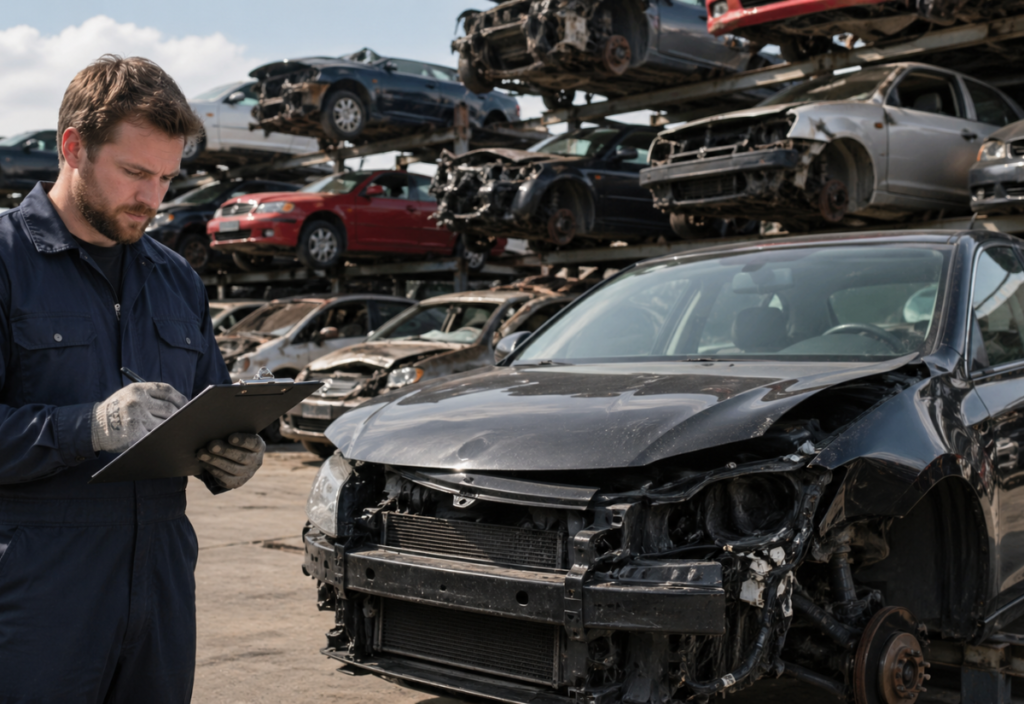
Jipinfeiche refers to salvage or junk cars that still hold real value — either as a complete vehicle or as a source of spare parts. These are cars that have been damaged, written off by insurance companies, or retired from service, but are not completely useless.
Think of it this way: a car that got into a front-end collision might have a perfect engine, transmission, interior, and rear body. That makes it very valuable to the right buyer.
A salvage car becomes a “premium junk car” when it has:
- A working engine or transmission
- Low mileage despite visible damage
- Rare or expensive parts still intact
- A repairable body with mostly cosmetic damage
This is exactly what jipinfeiche describes — vehicles that look like junk on paper but are actually worth serious money.
Types of Salvage and Junk Cars
Not all salvage cars are the same. Understanding the different types helps you make smarter buying decisions.
Insurance Write-Offs These are cars that insurance companies decided cost more to repair than they are worth. The damage might be from a crash, flood, fire, or theft. Many of these cars are still drivable or easily fixable.
Flood-Damaged Vehicles Water damage is tricky. Some flood cars look fine but have serious electrical problems hidden inside. Others only got wet on the outside and are perfectly fine after cleaning and drying.
Collision-Damaged Cars These are the most common type. A car hits something, the repair cost is too high for insurance, and the car gets a salvage title. Depending on where the damage is, these cars can be excellent buys.
End-of-Life Vehicles These are older cars that have simply stopped running or are too worn out to drive. They are usually bought for parts rather than restoration.
Hail-Damaged Cars Hail storms can total a car on paper because of the large number of dents, even though the car runs perfectly. These are some of the best salvage deals available.
Why People Buy Salvage Cars
Millions of people buy salvage and junk cars every year. Here are the main reasons why:
- Save money: A salvage car can cost 40% to 60% less than the same car with a clean title
- Parts sourcing: Mechanics and repair shops buy salvage cars to get cheap spare parts
- Restoration projects: Car enthusiasts love bringing damaged vehicles back to life
- Flipping for profit: Skilled buyers fix up salvage cars and sell them for a profit
- Learning mechanics: A cheap junk car is a great way to practice car repairs without risk
For many people, a jipinfeiche is not just a bargain — it is an opportunity.
How Salvage Car Prices Work
Pricing a salvage car is different from pricing a regular used car. Several factors affect the value:
Condition of the Damage Front-end damage is usually cheaper to fix than frame damage. Flood cars carry more risk than hail-damaged ones. The type and location of damage directly affects the price.
Make and Model Popular cars with expensive parts are worth more as salvage. A luxury car with a working engine can be very valuable even with a smashed body.
Mileage Lower mileage almost always means higher salvage value. A three-year-old car with 20,000 miles that got flooded is worth far more than the same model with 150,000 miles.
Parts Demand Some car models have parts that are always in demand. If mechanics constantly need a specific part for a popular model, that salvage car will sell for more.
Market Location Prices vary by region. In some areas, salvage cars sell for much more because clean used cars are expensive. In other areas, the market is flooded and prices are lower.
Where to Find the Best Deals
Finding good jipinfeiche deals requires knowing where to look.
Online Salvage Auctions Websites that specialize in salvage vehicle auctions are the most popular source. These platforms list thousands of damaged cars with photos, damage reports, and starting bids. You can search by make, model, year, damage type, and location.
Local Junkyards and Salvage Yards Many salvage yards let you walk through and buy individual parts or entire vehicles. Prices are usually lower than online auctions because there is less competition.
Insurance Company Auctions Insurance companies sell off their total-loss inventory through auctions. These sales can be a goldmine for buyers who know what they are looking for.
Private Sellers Sometimes individuals sell damaged cars directly. You can find these listings on general used car websites or local classified ads. Private sellers are often more flexible on price.
Dealer Wholesale Markets Some car dealers sell off their trade-ins and total-loss vehicles through wholesale channels. Access is sometimes limited to licensed dealers, but some platforms are open to the public.
How to Check a Salvage Car Before Buying
This step is critical. Buying a salvage car without proper inspection is one of the biggest mistakes you can make.
Step 1 — Get the Vehicle History Report Always run the VIN number through a vehicle history service. This tells you how many times the car was reported as a total loss, flood damage history, odometer records, and previous owners.
Step 2 — Inspect the Frame Frame damage is the most serious problem a car can have. If the frame is bent or cracked, the car may never drive straight again and could be unsafe. Look underneath the car for any signs of welding, bending, or repair work.
Step 3 — Check the Engine and Transmission If possible, start the car and listen. Strange noises, smoke, or warning lights are red flags. A compression test can tell you a lot about engine health.
Step 4 — Look for Flood Damage Signs Check under the seats, inside the trunk, and under the dashboard for mud, water stains, or a musty smell. Flood damage can cause electrical problems that appear weeks or months later.
Step 5 — Hire a Mechanic If you are not experienced with cars, hire a mechanic to inspect the vehicle before you buy. This small cost can save you from a very expensive mistake.
Step 6 — Get a Repair Estimate Before finalizing your purchase, get quotes from at least two repair shops. Make sure the total cost of the car plus repairs still makes financial sense.
Should You Restore It or Use It for Parts?
This is one of the most important decisions when buying a jipinfeiche vehicle.
Restore It If:
- The damage is mostly cosmetic
- The engine and frame are in good shape
- The repair cost is less than 40% of the car’s clean market value
- You have the skills or know a good mechanic
- You plan to drive it yourself and do not need to resell quickly
Use It for Parts If:
- The frame is severely damaged
- The engine is blown or flooded
- Repair costs exceed the car’s value
- You have a similar car that needs specific parts
- You can sell the parts individually for more than the whole car is worth
Sometimes the smart move is to take off all the valuable parts, sell them separately, and then sell the stripped shell to a scrapyard. This approach can turn a $500 car into $2,000 or more in total returns.
Legal Rules and Title Issues
This is where many buyers get confused. Salvage title laws vary by country and region, but here are the key things to understand:
Salvage Title When a car is declared a total loss, it gets a salvage title. This means it cannot be legally driven on public roads until it passes a special inspection.
Rebuilt Title Once a salvage car has been repaired and passes a government inspection, it can receive a rebuilt title. A rebuilt title car can be registered and driven legally.
Clean Title vs. Rebuilt Title A rebuilt title car will always be worth less than the same car with a clean title. Most lenders will not finance a rebuilt title car, and some insurance companies will not fully insure one.
Title Washing This is a serious fraud issue. Some sellers try to hide a car’s salvage history by registering it in a state or country with looser rules. Always run a VIN check to protect yourself.
Always check your local laws before buying a salvage vehicle. Make sure you understand what inspections are required and what the car can legally be used for.
Common Risks and How to Stay Safe
Buying salvage cars comes with real risks. Here is how to avoid the most common problems:
- Hidden structural damage: Always inspect the frame personally or hire someone who can
- Flood car electrical problems: These can show up months later and cost thousands to fix
- Odometer fraud: Always verify mileage through the vehicle history report
- Stolen vehicles: Run the VIN to make sure the car was not reported stolen
- Overpriced salvage: Calculate total cost including repairs before bidding — never get caught up in auction excitement
- No parts availability: Some older or rare models have parts that are impossible to find. Check availability before buying
The golden rule is simple: never buy a salvage car without doing your research first.
Conclusion
Jipinfeiche — the world of premium salvage and junk cars — is full of opportunity for smart buyers. Whether you want to save money on a daily driver, source cheap parts, restore a project car, or flip vehicles for profit, the salvage market has something to offer.
The key is knowledge. Buyers who understand how to inspect, price, and legally handle salvage vehicles consistently come out ahead. Buyers who skip the research consistently lose money.
FAQs
1. What does jipinfeiche mean?
Jipinfeiche refers to salvage or junk cars that still have significant value. These are vehicles that have been damaged or written off but contain working parts, repairable bodies, or other valuable components that make them worth buying.
2. Is buying a salvage car a good idea?
It can be an excellent idea if you know what you are doing. Salvage cars can save you 40% to 60% compared to clean-title vehicles. However, you need to inspect carefully, calculate repair costs honestly, and understand the title restrictions in your area.
3. Can a salvage car be made road-legal again?
Yes. In most places, a salvage car can be repaired and then inspected by a government authority. Once it passes inspection, it receives a rebuilt title and can be registered for road use.
4. How do I find the value of a salvage car?
Start with the clean market value of the same car in good condition. Then subtract the estimated repair cost and a discount for the salvage title status. A rough rule is that a well-damaged salvage car is worth about 50% to 70% of its clean-title value.
5. What is the difference between a salvage title and a rebuilt title?
A salvage title means the car has been declared a total loss and cannot be driven legally. A rebuilt title means the car has been repaired and inspected, and is now approved for road use. Rebuilt title cars are worth less than clean-title cars but are perfectly legal to drive.
6. Where is the best place to buy salvage cars?
Online salvage auctions are the most popular option because they offer the largest selection. Local salvage yards are good for budget buyers. Private sellers can offer the best one-on-one deals, but require more due diligence.
7. What should I never do when buying a salvage car?
Never skip the vehicle history report. Never buy without a frame inspection. Never ignore flood damage signs. And never let auction excitement push you into paying more than the car is actually worth after repairs.