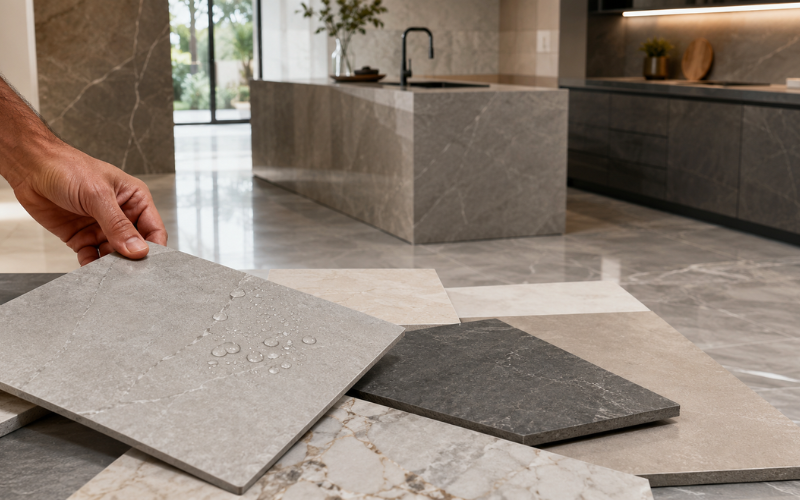
Introduction
Sodiceram is a modern ceramic-related concept that many people are starting to search for because it sounds new, useful, and connected to stronger ceramic materials. In simple words, sodiceram is usually described as an advanced type of ceramic material or ceramic product category made to offer better strength, durability, surface quality, and resistance than many traditional ceramic options. Some online sources describe it as a sodium-enhanced or composite ceramic material, although the term is not yet fully standardized across the wider ceramic industry.
People search for sodiceram because they want to understand what it means, where it can be used, whether it is better than regular ceramic, and if it is suitable for homes, buildings, surfaces, or industrial needs. Since ceramics are already used in tiles, kitchen surfaces, bathrooms, decorative pieces, and industrial parts, a newer ceramic idea naturally creates interest.
What Sodiceram Means in Simple Words
Sodiceram means a ceramic-style material or product idea that focuses on improved performance. Traditional ceramic is usually made from clay and other natural minerals that are shaped and heated at high temperatures. Sodiceram follows the same broad ceramic idea, but it is often presented as a more advanced version with better density, smoother finish, and stronger resistance.
The name itself suggests a connection with ceramic materials and possibly sodium-based compounds. Some sources explain sodiceram as a ceramic material that may use sodium-related compounds to improve processing and performance. However, because the word is used differently across websites, buyers and readers should treat it as a developing term rather than one single fixed material.
Why Sodiceram Is Getting Attention
Sodiceram is getting attention because people want materials that look good but also last longer. In homes and commercial spaces, surfaces face water, heat, stains, foot traffic, cleaning chemicals, and daily pressure. Regular ceramic is useful, but it can sometimes chip, crack, or absorb moisture depending on its quality.
This is where sodiceram becomes interesting. It is often described as a ceramic solution that may offer better moisture resistance, improved hardness, and a more reliable surface. These qualities make it appealing for flooring, wall tiles, counters, bathrooms, kitchens, and even industrial areas.
Another reason sodiceram is gaining interest is the growing demand for low-maintenance materials. People want surfaces that are easier to clean, harder to damage, and suitable for long-term use. A ceramic-based material that promises these benefits naturally attracts attention from homeowners, builders, designers, and manufacturers.
Main Features That Make Sodiceram Different
The main feature that makes sodiceram different is its focus on improved performance. While ordinary ceramic can be beautiful and useful, sodiceram is usually presented as a more advanced option with added strength and better resistance.
One important feature is low porosity. Porosity means how much water or moisture a material can absorb. A lower-porosity surface usually resists stains and water damage better. Some sources describe sodiceram as having lower porosity than standard ceramic, which may make it more suitable for wet areas such as kitchens and bathrooms.
Another feature is surface durability. Sodiceram is often discussed as a material that can handle more wear, pressure, and repeated use. This makes it useful in busy homes, offices, shops, and industrial spaces.
Its visual quality may also be important. Like other ceramics, sodiceram can be used in attractive finishes, clean designs, and modern interiors. This gives it both functional and decorative value.
How Sodiceram Works as a Ceramic-Based Material
Sodiceram works like a ceramic-based material by using mineral ingredients that are shaped, treated, and hardened through heat. In traditional ceramics, clay and minerals are fired in a kiln to create a hard final product. With sodiceram, the idea is that the ceramic body may be improved through special material blends or sodium-related compounds that help create a denser and stronger result.
This does not mean every product called sodiceram is exactly the same. Different manufacturers or websites may use the term in different ways. Some may describe it as a high-performance tile material, while others may use it for advanced ceramic surfaces or industrial ceramic parts.
Common Uses of Sodiceram in Daily Life and Industry
Sodiceram may be used anywhere a strong, clean, and durable ceramic surface is needed. In daily life, this can include floors, wall coverings, kitchen backsplashes, bathroom surfaces, tabletops, and decorative panels. These are areas where people want both beauty and strength.
In commercial settings, sodiceram may be useful in hotels, offices, restaurants, shopping spaces, and public buildings. These places need surfaces that can handle frequent use without looking worn too quickly.
In industry, sodiceram may have value in areas where heat, chemicals, or pressure are common. Advanced ceramics are often used in technical environments because they can resist heat, corrosion, and wear better than many common materials. Some sources connect sodiceram with industrial and advanced engineering uses, but exact performance depends on the product type and manufacturer details.
Sodiceram for Homes, Buildings, and Interior Spaces
For homes and buildings, sodiceram can be seen as a possible option for people who want a modern ceramic surface with better durability. It may work well in spaces where appearance and strength both matter.
In kitchens, sodiceram-style surfaces may help reduce problems caused by stains, moisture, and daily cleaning. In bathrooms, low water absorption can be helpful because surfaces are regularly exposed to humidity. In living rooms, hallways, and entry areas, stronger ceramic surfaces can help manage foot traffic.
For interior spaces, the appeal of sodiceram is not only practical. It may also offer a clean, polished, and modern look. This makes it suitable for people who want a simple but stylish finish without choosing a material that requires too much care.
Sodiceram in Manufacturing and Industrial Applications
In manufacturing and industrial applications, sodiceram may be valued for performance rather than appearance. Industrial materials often need to handle heat, pressure, chemicals, friction, and constant use. Ordinary materials may break down faster in these conditions.
Sodiceram is often described as a stronger ceramic-based option that may provide better thermal resistance, chemical resistance, and structural stability. This can make it useful for factory surfaces, machine parts, laboratory areas, and other demanding settings.
However, it is important to understand that industrial use requires proper testing. A product name alone is not enough. Anyone using sodiceram for technical work should check product specifications, safety data, strength ratings, and manufacturer guidance before making a decision.
Benefits of Sodiceram
The biggest benefit of sodiceram is its promise of better ceramic performance. It may offer improved strength, which means less chance of cracking or damage under normal use. It may also provide better resistance to water, stains, and cleaning chemicals, depending on how it is made.
Another benefit is long-term value. A material that lasts longer and needs less maintenance can save time and reduce replacement costs. This is especially useful in busy homes, commercial buildings, and industrial environments.
Sodiceram may also support modern design needs. People today want materials that are practical but still attractive. A ceramic-based surface that offers durability and a clean finish can meet both needs.
Possible Limitations to Know Before Choosing Sodiceram
Even though sodiceram sounds promising, there are some limitations to keep in mind. The biggest issue is that the term is not fully standardized. This means one product called sodiceram may not be the same as another product using the same name.
Cost may also be a factor. Advanced ceramic materials can sometimes be more expensive than standard ceramic products. Installation may require skilled handling, especially if the material is used for floors, walls, or large surfaces.
Another limitation is product availability. Since sodiceram is still a newer or less commonly understood term, it may not be as widely available as regular ceramic tiles or porcelain products.
Sodiceram vs Traditional Ceramic Materials
Sodiceram and traditional ceramic materials share the same basic idea: both are ceramic-based and may be used for surfaces, design, and practical applications. The difference is that sodiceram is usually presented as a more advanced or improved version.
Traditional ceramic is widely available, affordable, and trusted for many uses. It works well for tiles, dishes, decoration, and general surfaces. However, lower-quality ceramic can absorb water, stain, chip, or crack more easily.
Sodiceram may offer better density, stronger resistance, and longer-lasting performance. That said, the better choice depends on the exact product, budget, and intended use. For simple decorative use, traditional ceramic may be enough. For high-traffic or moisture-heavy areas, sodiceram may be worth considering.
Is Sodiceram Durable and Easy to Maintain?
Sodiceram is generally discussed as a durable and easy-to-maintain ceramic-based material. If it has low porosity and a strong surface, it may resist stains, moisture, and wear better than standard ceramic.
For maintenance, most ceramic-style surfaces need regular cleaning with mild cleaners and soft cloths or mops. Harsh chemicals, rough scrubbers, and poor installation can damage many surfaces, so care instructions should always be followed.
The main point is that sodiceram may be easy to maintain, but the real maintenance needs depend on the product quality, surface finish, and where it is installed.
Things to Check Before Buying or Using Sodiceram
Before buying or using sodiceram, check what the product actually is. Since the term can be used in different ways, do not rely only on the name. Look for details about water absorption, strength, heat resistance, stain resistance, surface finish, and recommended use.
It is also helpful to ask whether the product is suitable for floors, walls, wet areas, outdoor use, or industrial spaces. A product that works well on a wall may not be strong enough for heavy flooring. A decorative surface may not be suitable for factory use.
Buyers should also check installation requirements, warranty details, cleaning instructions, and supplier reputation. These simple checks can prevent confusion and help you choose the right material.
Conclusion
Sodiceram is a modern ceramic-related idea that focuses on stronger, more durable, and more practical ceramic performance. It is often described as an advanced ceramic material or product category that may offer better resistance to water, stains, heat, and daily wear.
While sodiceram is getting attention for homes, buildings, interiors, and industrial uses, it is important to remember that the term is still used in different ways. The smartest approach is to check the actual product details before buying or using it.
FAQs
1. What is sodiceram?
Sodiceram is commonly described as a modern ceramic-based material or product category designed for better strength, durability, and resistance compared with some traditional ceramic materials.
2. Is sodiceram the same as regular ceramic?
No, sodiceram is usually presented as an improved or advanced ceramic concept. However, because the term is not fully standardized, the exact difference depends on the product and manufacturer.
3. Where is sodiceram commonly used?
Sodiceram may be used in home surfaces, flooring, wall coverings, kitchens, bathrooms, commercial spaces, and some industrial applications where strong ceramic-based materials are needed.
4. Is sodiceram good for home surfaces?
Yes, sodiceram may be suitable for home surfaces if the product is designed for that purpose. It can be useful in areas where durability, easy cleaning, and moisture resistance are important.
5. Does sodiceram need special maintenance?
Most sodiceram-style surfaces should not need difficult maintenance. Regular cleaning with suitable mild cleaners is usually enough, but users should always follow the manufacturer’s care instructions.