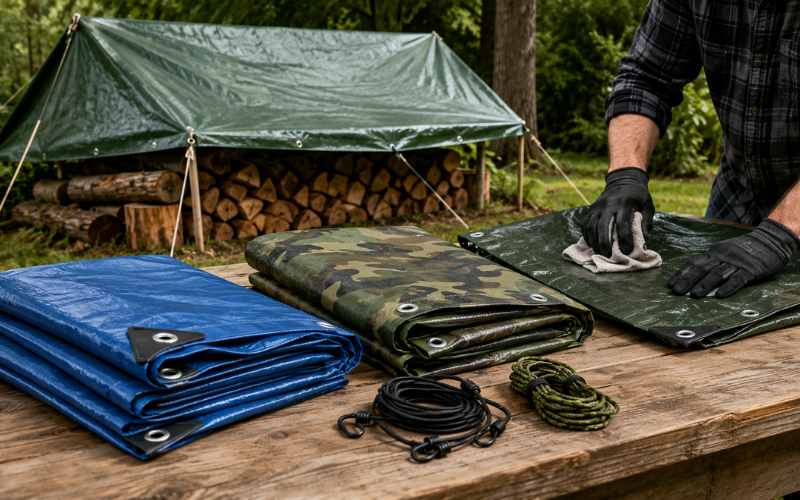
Introduction
Tarnplanen means tarpaulins or protective cover sheets that are used to shield things from rain, sun, dust, wind, dirt, and damage. In simple words, tarnplanen are strong covers that help protect objects, surfaces, tools, vehicles, materials, and outdoor areas.
People use tarnplanen in many places, including homes, gardens, farms, construction sites, camping areas, workshops, storage spaces, and transport vehicles. A good tarpaulin can cover firewood, garden furniture, machinery, building materials, boats, trailers, and camping gear. It is a simple product, but it can be very useful when you need quick and reliable protection.
Many people search for tarnplanen because they want to understand the best material, right size, waterproof quality, durability, common uses, buying tips, and care methods. Choosing the right tarpaulin is not only about buying the biggest or cheapest one. It is about matching the cover to the job. A light cover may work well for temporary garden use, while a thicker and stronger one may be better for construction or long-term outdoor storage.
What Tarnplanen Are Used For
Tarnplanen are mainly used to protect items from weather and everyday wear. They create a barrier between the object and outside conditions. For example, if you have firewood stored outside, a tarpaulin can help keep it dry. If you have tools or building materials at a work site, tarnplanen can protect them from rain and dust.
They are also useful during transport. Many people use tarpaulins to cover goods on trailers, trucks, or open vehicles. This helps stop items from getting wet, dirty, or damaged while moving. In homes and gardens, tarnplanen can cover outdoor furniture, swimming pools, bicycles, grills, soil, plants, and equipment.
Why Tarnplanen Are Useful in Everyday Life
The main reason tarnplanen are useful is that they are simple, flexible, and easy to use. You do not need special skills to place a tarpaulin over an object. You only need the right size, a proper way to secure it, and a clear idea of what you want to protect.
Tarnplanen can also save money. Instead of replacing damaged garden furniture, wet firewood, rusty tools, or spoiled materials, you can protect them with a suitable cover. They are especially helpful in areas where weather changes quickly. A tarpaulin can be folded, stored, and reused whenever needed.
Another benefit is that tarpaulins are available in many sizes, materials, and thickness levels. This makes them suitable for small household tasks as well as heavy-duty industrial work.
Main Types of Tarnplanen
There are different types of tarnplanen, and each type is made for a different purpose. Lightweight tarpaulins are usually used for short-term protection. They are easy to carry, fold, and place over small items. These are suitable for camping, garden use, and temporary covers.
Medium-duty tarnplanen are stronger and can handle more regular use. They are often used for home storage, vehicle covers, outdoor furniture, and general work around the house.
Heavy-duty tarnplanen are made for tougher conditions. They are thicker, stronger, and more resistant to tearing. These are often used on construction sites, farms, transport vehicles, and long-term outdoor storage areas. If the cover will face strong wind, heavy rain, rough surfaces, or frequent movement, a heavy-duty option is usually better.
Common Materials Used in Tarnplanen
Most tarnplanen are made from plastic-based materials because these are light, water-resistant, and easy to clean. Polyethylene is one of the most common materials. It is often used for general-purpose tarpaulins because it offers good protection at a reasonable price.
PVC tarpaulins are usually stronger and more flexible. They are often used where durability is important, such as construction, transport, farming, and industrial use. Canvas tarpaulins are another option. They are made from fabric and are often breathable, but they may need special treatment to improve water resistance.
The best material depends on how and where you plan to use the tarpaulin. For light home use, a simple polyethylene cover may be enough. For demanding outdoor work, a stronger PVC or heavy-duty tarpaulin may be a better choice.
Waterproof and Weather-Resistant Features
One of the main reasons people buy tarnplanen is to protect items from rain. Many tarpaulins are water-resistant or waterproof, but the level of protection can vary. A basic cover may handle light rain, while a stronger tarpaulin may protect better during heavy rain or long outdoor exposure.
Weather resistance is also important. Good tarnplanen should protect against sun, wind, dust, and moisture. Some tarpaulins come with UV-resistant coating, which helps reduce damage from sunlight. This is useful if the cover will stay outside for a long time.
However, even waterproof tarpaulins need to be used correctly. If water collects in the middle of the cover, it can create pressure and cause stretching, sagging, or tearing. It is better to place the tarpaulin at an angle so rainwater can run off easily.
Choosing the Right Size and Thickness
Choosing the right size is very important when buying tarnplanen. The cover should be large enough to protect the whole item, including the sides if needed. If the tarpaulin is too small, parts of the item may still be exposed. If it is too large, it may flap in the wind or become difficult to secure.
Thickness also matters. A thin tarpaulin is easier to handle but may not last long in rough conditions. A thicker tarpaulin is stronger and more durable, but it may be heavier and harder to fold. For short-term use, a lighter cover may work well. For outdoor storage, construction, or vehicle protection, a thicker tarpaulin is usually the better option.
Tarnplanen for Home and Garden Use
At home, tarnplanen can be used in many practical ways. They can cover garden furniture during rain, protect firewood from moisture, shield plants from bad weather, or cover soil and compost. They are also useful during painting, cleaning, moving, and small repair projects.
In the garden, tarnplanen help keep tools, bags of soil, lawn equipment, and outdoor decorations safe from dirt and weather. They can also be used as a temporary ground cover when working outside. For home and garden use, a medium-duty tarpaulin is often a good choice because it offers a balance between strength and easy handling.
Tarnplanen for Camping, Travel, and Outdoor Activities
For camping and travel, tarnplanen are helpful because they are light, foldable, and useful in many situations. Campers can use a tarpaulin as a groundsheet, rain cover, shade cover, or temporary shelter. It can also protect bags, bicycles, firewood, and cooking items from wet ground or rain.
When choosing tarnplanen for camping, weight and size are important. A very heavy cover may be difficult to carry, while a very thin one may not provide enough protection. A waterproof, easy-to-fold tarpaulin is usually the best option for outdoor trips.
Tarnplanen for Construction and Work Sites
On construction sites, tarnplanen are used to protect building materials, machines, tools, and unfinished work areas. Rain and dust can damage materials such as wood, cement bags, insulation, metal parts, and equipment. A strong tarpaulin helps reduce this risk.
Work sites usually need heavy-duty tarnplanen because the conditions are rough. The cover may be pulled, tied, moved, and exposed to sharp edges or heavy wind. Reinforced edges and strong eyelets are important features for construction use.
Tarnplanen for Vehicles, Boats, and Equipment Protection
Tarnplanen are also commonly used to protect vehicles, boats, trailers, motorcycles, bicycles, and machinery. A suitable cover helps keep dust, rain, leaves, bird droppings, and sunlight away from the surface.
For vehicles and boats, it is important to choose a tarpaulin that fits properly. A loose cover can move in the wind and may scratch the surface. A very tight cover may put pressure on corners or edges. For long-term protection, it is also helpful to use a cover that allows some airflow, especially when moisture can build up underneath.
Important Features to Check Before Buying
Before buying tarnplanen, check the size, material, thickness, edge strength, eyelets, waterproof level, and UV resistance. The eyelets should be strong enough for tying the cover securely. Reinforced corners are also useful because corners often face the most pressure.
You should also think about where the tarpaulin will be used. Indoor storage, garden protection, transport, camping, and construction all have different needs. A cheap, lightweight cover may be fine for short use, but it may not be reliable for long-term outdoor protection.
How to Use Tarnplanen Safely and Correctly
To use tarnplanen correctly, place the cover evenly over the item and secure it properly. Use ropes, straps, or bungee cords through the eyelets. Avoid pulling too hard because too much tension can damage the eyelets or tear the material.
Make sure the tarpaulin does not collect standing water. If possible, create a slight slope so water can drain away. When using tarnplanen near vehicles or delicate surfaces, avoid sharp corners and rough rubbing. A soft layer underneath may help protect sensitive surfaces.
Common Mistakes to Avoid When Using Tarnplanen
One common mistake is choosing the wrong size. A cover that is too small will not protect properly, while one that is too large can become difficult to manage. Another mistake is leaving the tarpaulin loose in windy weather. Loose tarnplanen can flap, tear, or damage the item underneath.
People also forget to clean and dry the cover before storage. Storing a wet tarpaulin can lead to bad smells, stains, or mold. Another mistake is using a light-duty tarpaulin for heavy-duty work. This often leads to quick damage and poor protection.
How to Clean and Store Tarnplanen
Cleaning tarnplanen is usually simple. Remove dirt, leaves, and dust with a soft brush or cloth. If needed, wash the surface with mild soap and water. Avoid harsh chemicals because they may damage the coating or weaken the material.
Before storing the tarpaulin, let it dry completely. Fold it neatly and keep it in a dry place away from sharp objects. Proper storage helps extend the life of the cover and keeps it ready for the next use.
When to Repair or Replace Tarnplanen
Small holes or tears in tarnplanen can often be repaired with repair tape or a patch made for tarpaulin material. This is useful when the damage is minor and the cover is still strong.
However, if the tarpaulin has many tears, weak eyelets, brittle material, or large damaged areas, replacing it may be better. A damaged cover may not protect properly, especially during rain or strong wind. If the tarpaulin is used for valuable equipment, vehicles, or work materials, reliable protection is worth the investment.
Tarnplanen Buying Checklist
Before buying tarnplanen, think about the main purpose first. For home and garden use, choose a cover that is easy to handle and water-resistant. For camping, choose something lightweight, foldable, and weather-resistant. For construction, farming, vehicles, or long-term outdoor storage, choose a heavy-duty option with reinforced edges and strong eyelets.
Also check the size carefully. Measure the item you want to cover and allow extra space for the sides. Look at the material, thickness, waterproof rating, UV protection, and fastening points. A good tarpaulin should match your real need, not just look strong in the product description.
Conclusion
Tarnplanen are simple but highly useful protective covers for homes, gardens, camping, construction, farming, vehicles, and storage. They help protect items from rain, sun, dust, dirt, and everyday damage. The right tarpaulin can make outdoor storage easier, safer, and more reliable.
When choosing tarnplanen, focus on the purpose, size, material, thickness, waterproof quality, and fastening features. A lightweight cover may be enough for temporary use, while a heavy-duty tarpaulin is better for rough weather, work sites, and long-term protection. With proper use, cleaning, and storage, tarnplanen can remain useful for a long time and provide dependable protection whenever needed.
FAQs
1. Are tarnplanen waterproof?
Many tarnplanen are waterproof or water-resistant, but the level of protection depends on the material and quality. Heavy-duty tarpaulins usually provide better rain protection than very thin covers.
2. Which tarnplanen material is best?
The best material depends on the use. Polyethylene is good for general use, PVC is better for heavy-duty needs, and canvas can be useful when breathability is important.
3. How long do tarnplanen last?
The lifespan of tarnplanen depends on material, thickness, weather exposure, and care. A light tarpaulin may last for short-term use, while a strong heavy-duty cover can last much longer with proper handling.
4. Can tarnplanen be used in winter?
Yes, tarnplanen can be used in winter, especially to protect firewood, vehicles, tools, and outdoor materials. For cold weather, choose a strong and weather-resistant tarpaulin that can handle moisture, wind, and low temperatures.
5. How do I choose the right tarnplanen size?
Measure the item you want to cover and choose a tarpaulin that gives extra coverage on all sides. The cover should be large enough to protect the item but not so large that it becomes hard to secure.