Introduction
Full spectrum LED grow lights are indoor plant lights designed to give plants a balanced range of light that is similar to natural sunlight. Instead of only giving one color of light, they provide different light wavelengths that plants can use during various stages of growth. This makes them useful for people who want to grow plants indoors where sunlight is limited, weak, or not available for enough hours each day.
In simple terms, full spectrum LED grow lights help indoor plants receive the kind of light they need to grow stronger, greener, and healthier. They are commonly used for seedlings, herbs, vegetables, flowering plants, and houseplants. Whether someone is starting seeds in a small tray, growing basil on a kitchen shelf, or maintaining indoor plants through winter, these lights can help fill the gap when natural sunlight is not enough.
Many growers choose full spectrum LED grow lights because they are easy to use, energy-efficient, and suitable for different plant types. This guide explains what they are, how they work, why the light spectrum matters, and how to choose the right option for your indoor growing space.
What Are Full Spectrum LED Grow Lights?
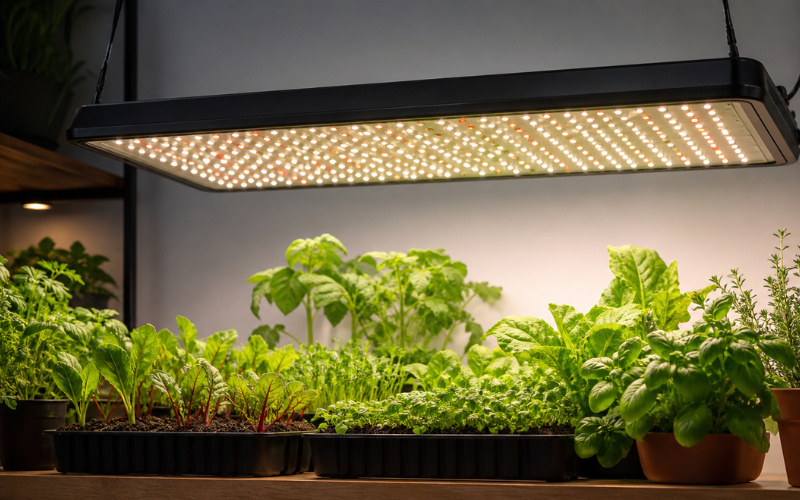
Full spectrum LED grow lights are artificial lights made to support plant growth indoors. The term “full spectrum” means the light includes a broad range of colors, much like the light plants receive from the sun. These colors may include blue, red, white, and sometimes small amounts of other wavelengths that support different plant needs.
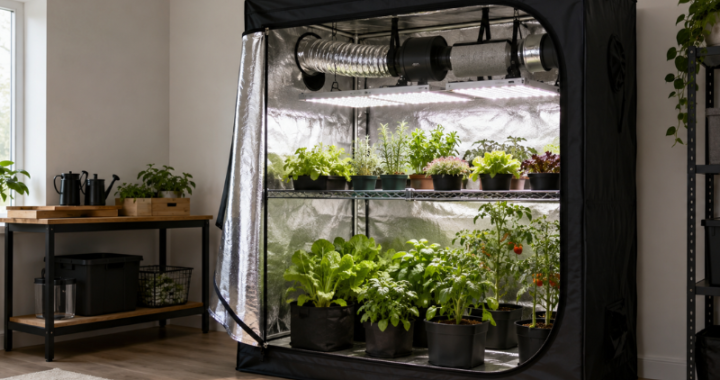
Unlike older grow lights that may focus mainly on red or blue light, full spectrum LED grow lights are designed to provide more balanced lighting. This makes them helpful for the full plant life cycle, from early growth to flowering and fruiting. They can be used in grow tents, shelves, greenhouses, indoor gardens, and even small home setups.
The LED part is also important. LED lights use less energy than many traditional grow lights and produce less heat. This makes them easier to manage indoors, especially for beginners who do not want to worry too much about overheating their plants.
How Full Spectrum LED Grow Lights Support Plant Growth
Plants need light to make food through a natural process called photosynthesis. When plants receive the right amount and type of light, they can grow stronger roots, healthy leaves, firm stems, and better flowers or fruits. Full spectrum LED grow lights support this process by giving plants light that closely matches what they would normally get outdoors.
During the early stage, plants often need more blue light because it supports leaf and stem growth. As plants mature, red light becomes more helpful for flowering and fruiting. A full spectrum light includes both, which means growers do not always need to change lights as plants move from one stage to another.
These lights are also useful when plants do not receive enough natural sunlight. For example, a windowsill may seem bright, but many indoor plants still struggle because the light is indirect or only lasts a few hours. Full spectrum LED grow lights can provide steady and controlled light, helping plants grow more evenly.
Why Light Spectrum Matters for Indoor Plants
The light spectrum matters because plants respond to different colors of light in different ways. To human eyes, light may simply look bright or dim, but plants “read” light differently. They use certain parts of the spectrum to support different growth functions.
Blue light helps plants stay compact, leafy, and strong. Red light helps with blooming, fruiting, and overall plant development. White light makes it easier for people to see the true color of plants and often contains a mix of helpful wavelengths. A good full spectrum LED grow light provides a balanced mix, making it suitable for many indoor growing needs.
This balance is one reason full spectrum lights have become popular. Instead of using separate lights for each plant stage, many growers prefer one light that can support the plant from seedling to maturity. It keeps the setup simpler and more beginner-friendly.
Full Spectrum LED Grow Lights vs Regular LED Lights
Regular LED lights are made mainly for human vision. They help light up rooms, offices, and homes, but they are not always designed to give plants the light they need. While some plants may survive under regular LEDs, they may not grow as strongly or consistently as they would under a proper grow light.
Full spectrum LED grow lights, on the other hand, are made specifically for plants. They provide light wavelengths that support photosynthesis and plant development. This difference is important for people who want more than basic plant survival. If the goal is stronger seedlings, healthier herbs, fuller leaves, or better flowering, full spectrum grow lights are usually the better choice.
Another difference is coverage and intensity. Grow lights are designed to spread usable light across a plant area. Regular LEDs may look bright but may not deliver enough plant-friendly light to the leaves. This is why using the right type of light can make a clear difference in indoor gardening results.
Key Benefits of Using Full Spectrum LED Grow Lights
One of the biggest benefits of full spectrum LED grow lights is that they make indoor growing more reliable. You do not have to depend only on the weather, the season, or the direction of your windows. Plants can receive steady light even during cloudy days, short winter days, or in rooms with little sunlight.
Another benefit is energy efficiency. LED grow lights usually use less electricity than older lighting options, which makes them practical for regular use. They also create less heat, so there is a lower risk of burning leaves when the light is placed correctly.
Full spectrum LED grow lights are also flexible. They can be used for many plant types and growth stages. A single light may support seedlings, leafy greens, herbs, vegetables, flowers, and houseplants. This makes them a good choice for beginners and experienced indoor growers alike.
Types of Plants That Grow Well Under Full Spectrum LED Lights
Many common indoor plants can grow well under full spectrum LED lights. Herbs such as basil, parsley, mint, cilantro, and thyme often benefit from steady indoor lighting. Leafy greens like lettuce, spinach, and kale can also grow well because they need consistent light for healthy leaf production.
Seedlings are another great match for full spectrum LED grow lights. Young plants often become weak and stretched when they do not get enough light. A proper grow light helps them stay stronger and more compact before they are moved into bigger pots or outdoor spaces.
Flowering plants and some fruiting vegetables can also benefit, but they may need stronger lights and longer light hours. Plants such as tomatoes, peppers, and flowering ornamentals usually require more light than simple houseplants or herbs. This is why choosing the right power and coverage matters.
When to Use Full Spectrum LED Grow Lights
Full spectrum LED grow lights are helpful whenever natural light is not enough. This often happens during winter, in apartments, in shaded rooms, or in homes without south-facing windows. They are also useful when starting seeds indoors before the outdoor growing season begins.
Many people use them to keep houseplants healthy in low-light spaces. Others use them for year-round herb gardens, indoor vegetable setups, or plant shelves. These lights are also helpful when plants show signs of not getting enough light, such as pale leaves, slow growth, long weak stems, or leaning strongly toward a window.
They can be used as the main light source or as extra support. For example, a plant near a window may still benefit from a few extra hours of grow light each day, especially in darker months.
Important Features to Look for Before Buying
When choosing full spectrum LED grow lights, it is important to look at the size of your growing area first. A small light may work for a few herbs, but it may not cover a full plant shelf or grow tent. Coverage matters because plants outside the light area may grow weaker than those directly under it.
Brightness and power are also important. More demanding plants, such as vegetables and flowering plants, usually need stronger lights than low-maintenance houseplants. Adjustable brightness can be helpful because seedlings and mature plants may need different light levels.
You may also want to consider features like timer settings, height adjustment, low heat output, and ease of installation. A built-in timer can make plant care simpler because it keeps the light schedule consistent. Good full spectrum LED grow lights should be easy to use, safe for indoor spaces, and suitable for the plants you want to grow.
Choosing the Right Size and Power for Your Grow Space
The right size and power depend on how many plants you have and how much space they cover. A small desk lamp-style grow light may be enough for one or two houseplants. A longer bar light may be better for shelves. A larger panel may be more suitable for a grow tent or a group of vegetables.
The goal is to give each plant enough even light. If the light is too small, plants on the edges may not grow as well. If the light is too weak, plants may become thin, pale, or stretched. If the light is too strong and too close, leaves may become dry or stressed.
Before buying, measure your grow area and think about the type of plants you want to grow. Herbs and leafy greens usually need moderate light, while flowering and fruiting plants often need stronger lighting. Matching the light to the space helps you get better results without wasting energy.
How Far Full Spectrum LED Grow Lights Should Be From Plants
The distance between the light and the plants is very important. If full spectrum LED grow lights are too far away, plants may not receive enough useful light. If they are too close, the leaves may become stressed, dry, or discolored.
In many indoor setups, LED grow lights are placed several inches to a couple of feet above the plants, depending on the light strength and plant type. Seedlings usually need gentle but close light so they do not stretch. Mature plants may need more space between the leaves and the light, especially if the fixture is powerful.
The best approach is to follow the manufacturer’s distance guide and watch how the plants respond. Healthy plants usually have steady growth, rich color, and firm stems. If leaves curl, bleach, or dry out, the light may be too close or too strong. If stems stretch and lean, the light may be too far away or too weak.
How Long to Keep Full Spectrum LED Grow Lights On
Most indoor plants need a regular light schedule. Full spectrum LED grow lights are often used for several hours each day, depending on the plant. Many herbs, leafy greens, and seedlings do well with a longer daily light period, while some houseplants may need less.
A common mistake is leaving grow lights on all the time. Plants also need darkness because rest periods support healthy growth. A balanced schedule is better than constant light. Using a timer can help keep the routine steady without needing to switch the light on and off manually.
The right duration depends on the plant type, growth stage, and how much natural light the plant already receives. A plant in a dark room may need more grow light time than a plant near a bright window.
Common Mistakes to Avoid With Full Spectrum LED Grow Lights
One common mistake is choosing a light that is too weak for the grow space. A small light may look bright but may not support several plants well. Another mistake is placing the light too far away, which can cause plants to stretch and grow weak.
Some growers also use full spectrum LED grow lights for too many hours without giving plants a dark period. Others place lights too close and accidentally stress the leaves. It is also easy to forget that different plants have different light needs. A cactus, a lettuce plant, and a fern may not all need the same brightness or schedule.
The best way to avoid problems is to start with a reasonable setup, observe the plants, and adjust the height or timing when needed. Indoor growing becomes easier when you treat the light as part of the plant care routine, along with watering, soil, and airflow.
Are Full Spectrum LED Grow Lights Worth It?
Full spectrum LED grow lights are worth it for many indoor gardeners, especially when natural sunlight is limited. They can help plants grow more consistently, support seedlings, improve herb production, and keep houseplants healthier during darker months.
They are also useful for people who want more control over their growing environment. Instead of hoping for enough sunlight, you can provide plants with a steady light source. This can make indoor gardening more predictable and enjoyable.
However, the value depends on choosing the right light for your needs. A small houseplant setup does not need the same type of light as a vegetable grow tent. When the light matches the plant type and space, full spectrum LED grow lights can be a smart and practical investment.
Final Thoughts
Full spectrum LED grow lights are a helpful solution for growing healthier plants indoors. They provide balanced light that supports many stages of plant growth and can be used for seedlings, herbs, vegetables, flowers, and houseplants. Because they imitate natural sunlight more closely than many regular lights, they give indoor plants a better chance to grow well when sunlight is limited.
The most important thing is to choose a light that fits your space, plant type, and growing goals. Pay attention to the size, brightness, distance, and daily light schedule. With the right setup, full spectrum LED grow lights can make indoor gardening simpler, more reliable, and more rewarding.
FAQs
1. What are full spectrum LED grow lights used for?
Full spectrum LED grow lights are used to help indoor plants grow when natural sunlight is not enough. They are commonly used for seedlings, herbs, leafy greens, vegetables, flowers, and houseplants.
2. Can full spectrum LED grow lights replace sunlight?
Yes, full spectrum LED grow lights can replace sunlight for many indoor plants when used correctly. The light must be strong enough, placed at the right distance, and used for the right number of hours each day.
3. Are full spectrum LED grow lights good for seedlings?
Yes, they are very helpful for seedlings. They can prevent young plants from becoming weak, tall, and stretched by giving them steady light during early growth.
4. How many hours should full spectrum LED grow lights be on?
The ideal time depends on the plant, but many indoor plants do well with a regular daily schedule rather than constant light. Most plants also need a dark rest period each day.
5. Can I use regular LED lights instead of full spectrum LED grow lights?
Regular LED lights may help some plants survive, but they are not designed for plant growth. Full spectrum LED grow lights are usually better because they provide the light range plants need for healthier growth.